You can tell a lot about an organisation by its Moodle site.
And I don’t mean by the logo, the custom login page, or the colour scheme. I’m talking about how, if you look closely, you can see its history. Decisions layered into the platform over time, an evolving record of where that organisation has been, and where it’s going.
The activity types added when a new instructional model took hold. The integrations built when a tool adopted elsewhere needed to connect back to the learning environment. The plugins installed because someone had an idea, and the idea was good enough to act on.
No two Moodle sites look or function alike, and the ones that have served their organisations well for years, sometimes decades, rarely resemble what they were at the start. They changed because the organisations they served did.
If Moodle sites evolve over time, the Moodle ecosystem has to evolve with them. That’s one of the reasons I’m excited about the launch of Moodle Marketplace. At first glance, it might look like a new place to browse plugins. But to me, it represents something bigger: an investment in one of Moodle’s greatest strengths — its ability to evolve alongside the organisations that use it.
Learning environments grow alongside organisations
This month, I’ve got evolution on my mind. You see this up close when you work in learning: a new compliance requirement arrives or a department wants to offer a different kind of experience. A technology that wasn’t on anyone’s radar two years ago becomes suddenly essential. Learner expectations change, while institutional priorities pivot.
Sometimes the shift is dramatic. More often, it accumulates gradually — small adjustments made over months and years that add up to something quite different from what came before. That’s appropriate because what came before was serving a different set of needs.
This is why adaptability matters. Not because organisations necessarily enjoy change, but because change arrives regardless of our readiness for it. Having a long features list is one thing — but the learning environments truly equipped to endure are the ones that can keep evolving alongside the people they support.
Your learning home
That kind of adaptability is easier to picture than to describe. One way I think about Moodle is as a learning home.

Every home starts with a foundation — walls, roof, structure. But what makes it feel like yours is everything that comes after. The furniture you choose. The changes you make as your life changes around you.
Your Moodle platform provides the foundation. Every organisation shapes it differently. Over time, those choices reflect what matters to the people using it, the learners it serves, and the goals it’s trying to achieve. That’s why no two sites ever look quite alike.
Making it your own
Much of that adaptability comes from the ecosystem built around Moodle solutions.
One of the reasons Moodle Marketplace matters is because of what it represents. Every plugin, integration, theme, and extension exists because someone encountered a challenge and built something to address it. Collectively, those contributions have helped thousands of organisations shape their Moodle sites around goals no standard LMS installation could ever anticipate.
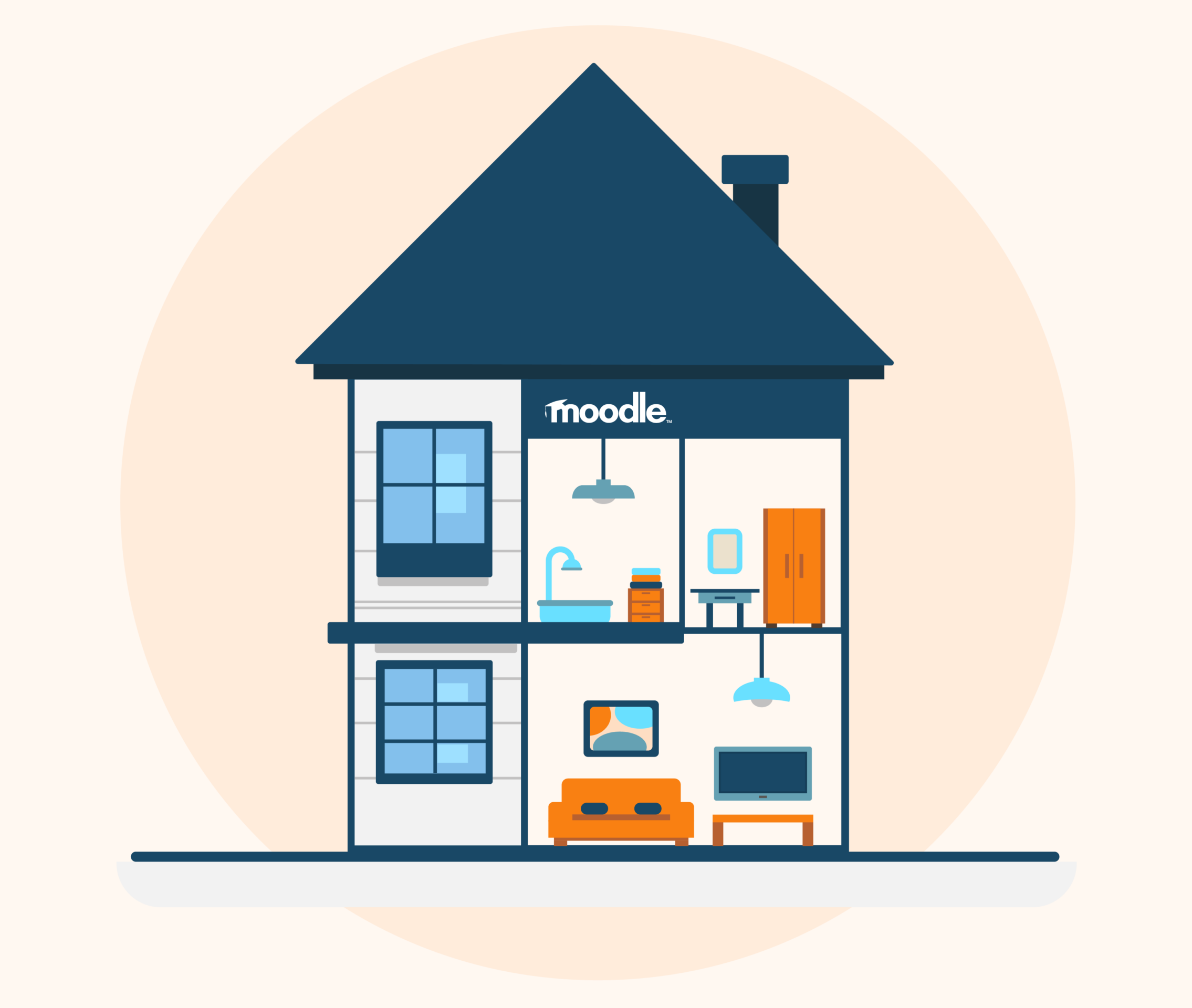
Most people don’t move house every time their needs change. They adapt the space they have — add something new, rearrange what exists, extend what’s already working. Learning environments are no different.
Think evolution, not add-on
It’s easy to think of Moodle Marketplace as simply replacing the Plugins Directory. It certainly does that. But what excites me most is what it says about the future of the Moodle ecosystem.
Every year, new ideas emerge from developers, partners, institutions, and community contributors around the world. That’s the upside of a thriving ecosystem. The challenge is that thriving ecosystems eventually become large ones — and the question stops being “can this be done?” and becomes “how do I find the right solution?”
That’s what the Moodle team has heard, over and over, from administrators, educators, developers, and partners: the ecosystem is powerful, but navigating it isn’t always easy. Not because there aren’t enough options — because there are so many.
This is exactly why we built Moodle Marketplace. As Setara put it in her MoodleMoot Global 2025 talk:
A commitment to helping people discover solutions they might never have found otherwise, to helping organisations make decisions with confidence, and to helping maintainers keep improving the tools thousands of Moodle sites rely on.
Designing for what comes next
Moodle Marketplace solves the finding problem — it helps you locate the piece that fits. But knowing what to add, when, and how it sits alongside everything you’ve already built is a different kind of question. That’s not a browsing decision. It’s a strategic one.
None of us knows exactly what learning will look like in five years. AI will keep evolving, learner expectations will keep shifting, and organisations will face challenges we haven’t yet imagined.
What won’t change is the value of being able to change.
That idea feels bigger than any single feature or launch. Learning environments aren’t finished products. They evolve through the contributions, ideas, and experiences of the communities that use them — and the organisations best prepared for what comes next will be the ones whose learning environments are built to keep becoming.
The best learning homes are never finished. That’s exactly what makes them powerful.
If you’re ready to think through that strategic side for your own organisation, Design for change is a practical place to start — a guide to what makes a learning ecosystem adaptable, with a worksheet for mapping your own.
And, whatever comes next for your learning home, we’ll be evolving right alongside you. 🫶