There’s something about the start of a new academic year that always makes me think about change.
Campuses are buzzing again, new students are finding their classrooms (and probably forgetting their passwords), faculty are putting the finishing touches on courses, and IT teams are making sure everything is ready before the new term begins. It’s a familiar rhythm, and one that feels full of possibility.
Lately, though, I’ve been thinking about a different kind of change.
Every higher education conference, webinar, and conversation with colleagues and Moodle community members seems to come back to the same idea lately: universities are constantly evolving.
Sometimes that evolution comes in the form of a major institutional change. Sometimes it’s more subtle — a new continuing education programme, an industry partnership, a staff learning initiative, or another campus joining the system. Either way, institutions rarely stay exactly the same for long.
Somewhere in these conversations, I almost always hear a version of the same question:
Why would a higher education institution choose Moodle Workplace?
It’s a fair question. After all, Moodle LMS is already an incredibly capable platform for teaching and learning. For many institutions, it’s exactly the right fit. But for others, Moodle Workplace provides a natural next step—building on everything they already know while adding the capabilities needed to support a more complex, evolving learning ecosystem.
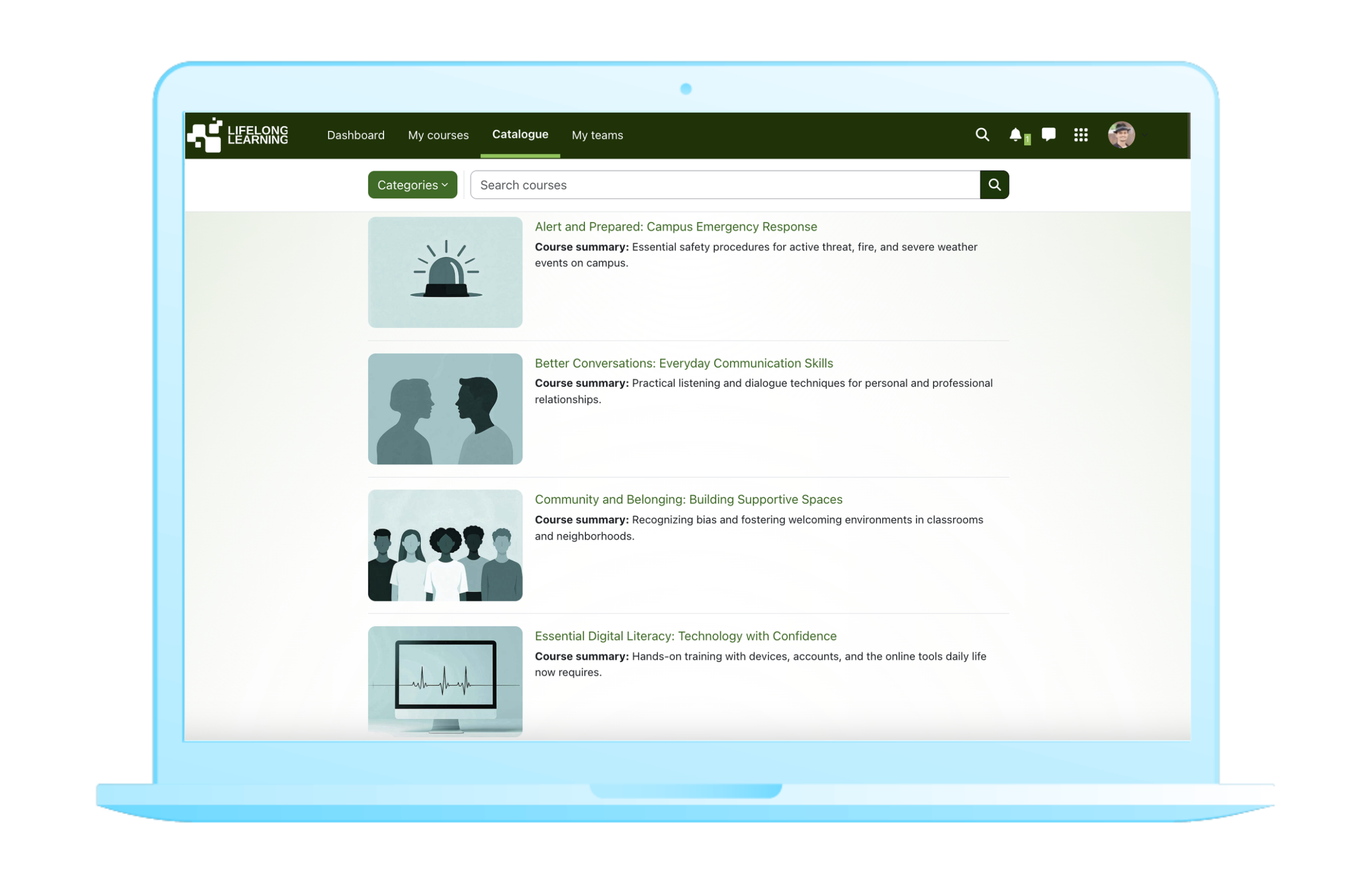
So rather than talking about feature lists, I thought I’d answer the question from the perspective of someone who has worked as a learning designer, spent a decade in higher education, and now gets to see how colleges and universities around the world are approaching this challenge.
Universities evolve
One thing I’ve learned is that universities rarely stand still. Sometimes change comes in the form of a major institutional shift, but more often it’s a series of smaller decisions that gradually reshape how learning is delivered.
A continuing education division might launch, professional certificates could become a strategic priority or, maybe, staff development grows rapidly. Perhaps new campuses join the institution, or two branches consolidate — and industry partnerships expand. Alumni learning becomes part of a broader lifelong learning strategy.
These are all real scenarios I’ve seen higher education institutions navigate. And while the LMS isn’t driving those changes, it quickly becomes part of the challenge. It’s tempting to create a new learning platform for each initiative: a separate site for continuing education, another for staff development, and one for external partners. At the time, each decision makes perfect sense.
Before long, though, institutions can find themselves managing multiple learning platforms, duplicate user accounts, disconnected reporting, and different administrative processes across the organisation.
This is where Moodle Workplace offers a different approach. Rather than creating separate platforms, institutions can support multiple learning environments from a single site. With multi-tenancy, each campus, continuing education division, staff training programme, or external partner can have its own administrators, branding, users, and learning content. All the while, central teams retain oversight of governance, security, and platform management.


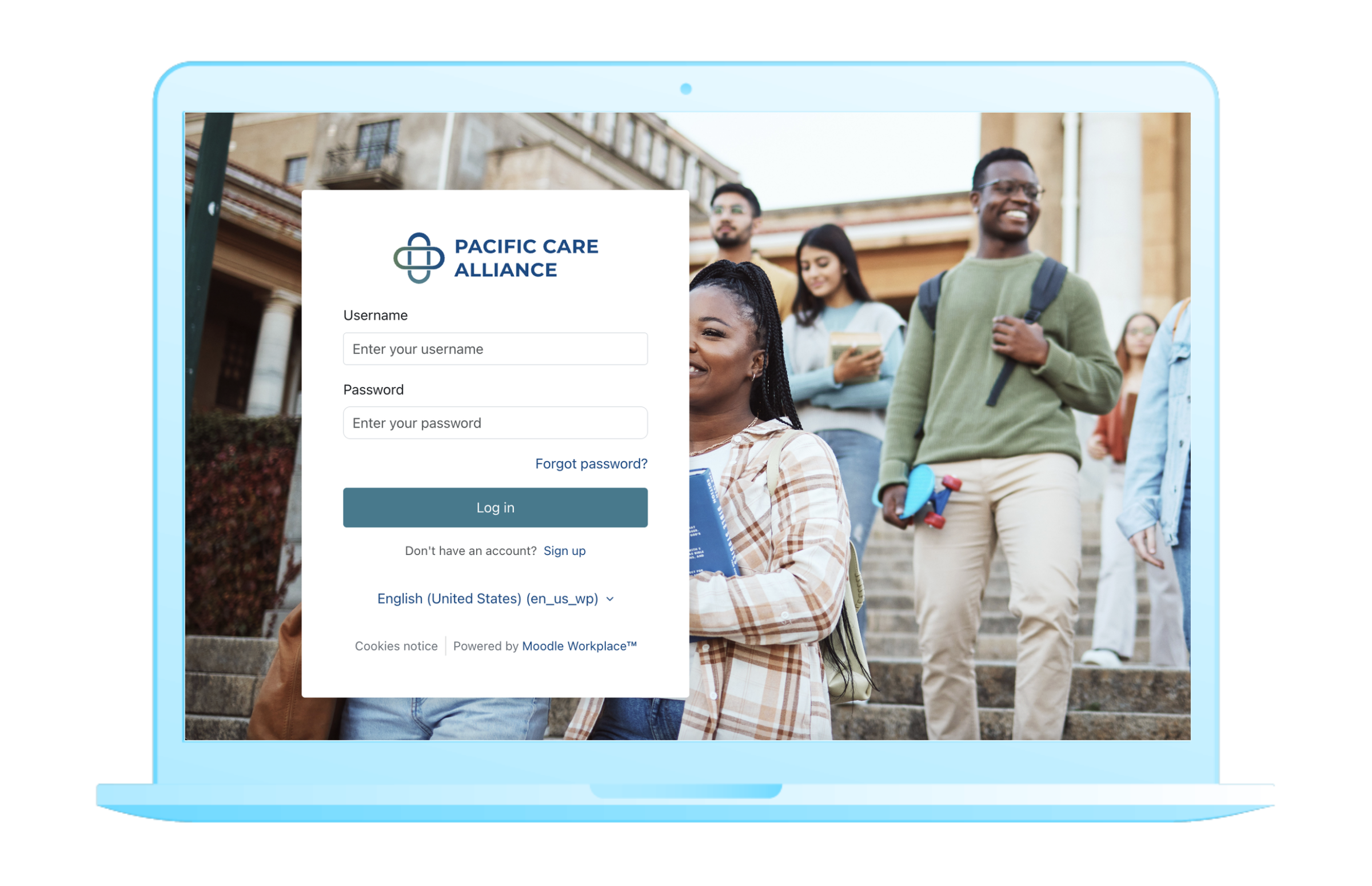
It gives each part of the institution the autonomy it needs without sacrificing the consistency and control that become increasingly important as universities evolve.
The work behind the learning
One thing any of us who work in academic technology know is how much work happens before anyone even opens a course.
I’m talking everything from enrolling learners, sending reminders, setting up and tracking completions, configuring certificates, building reports, and answering emails asking who had (and hadn’t) completed mandatory training.
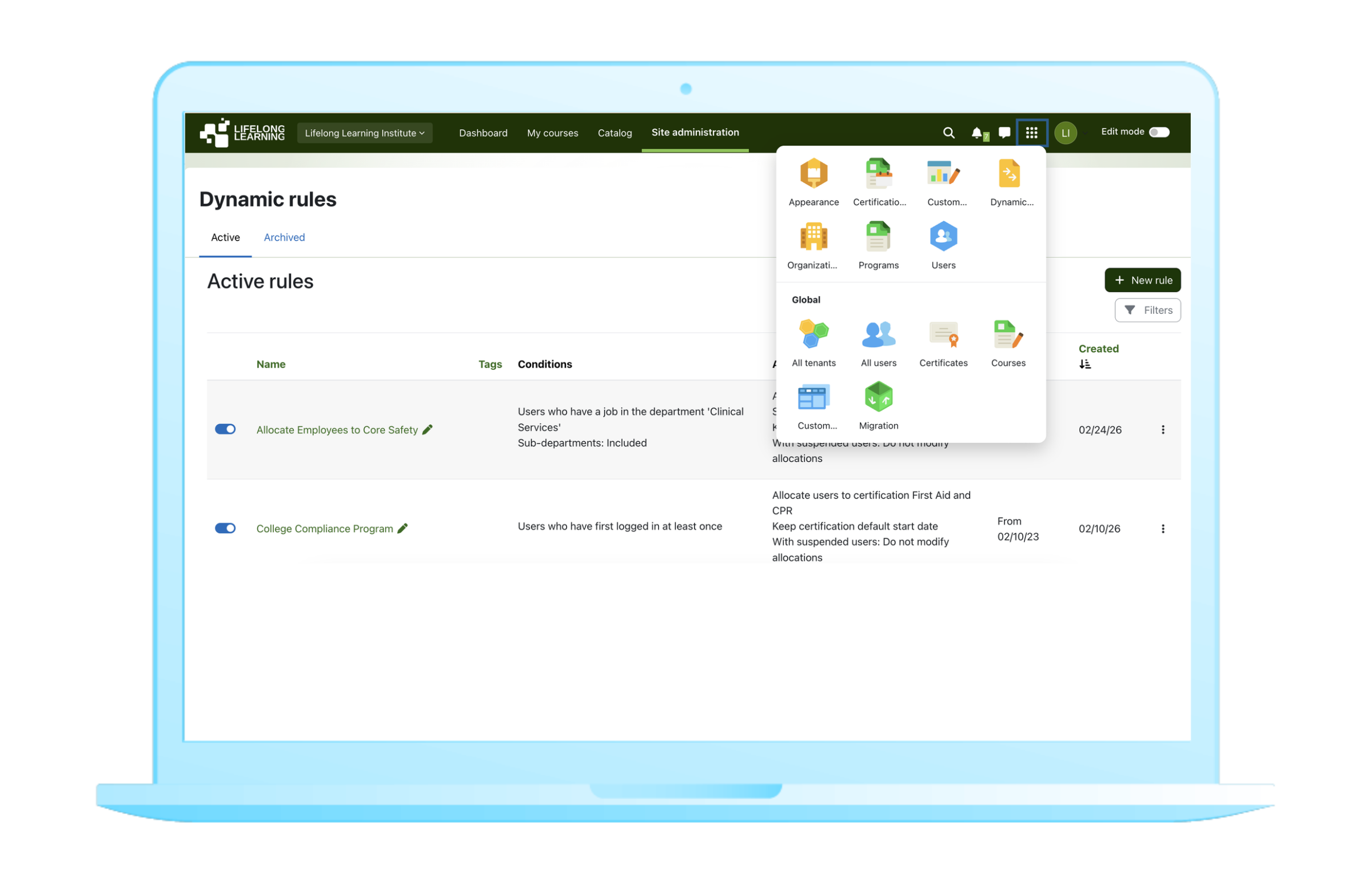
None of those tasks are difficult individually, but together they consume an enormous amount of time. And, when being done manually, they open up the very real possibility of human error.
Automating system tasks is one of the areas where Moodle Workplace really stands out. Routine administrative work can happen automatically behind the scenes, whether that’s assigning learning based on someone’s role, issuing certifications, reminding learners about upcoming deadlines, or sharing reports with department leaders.
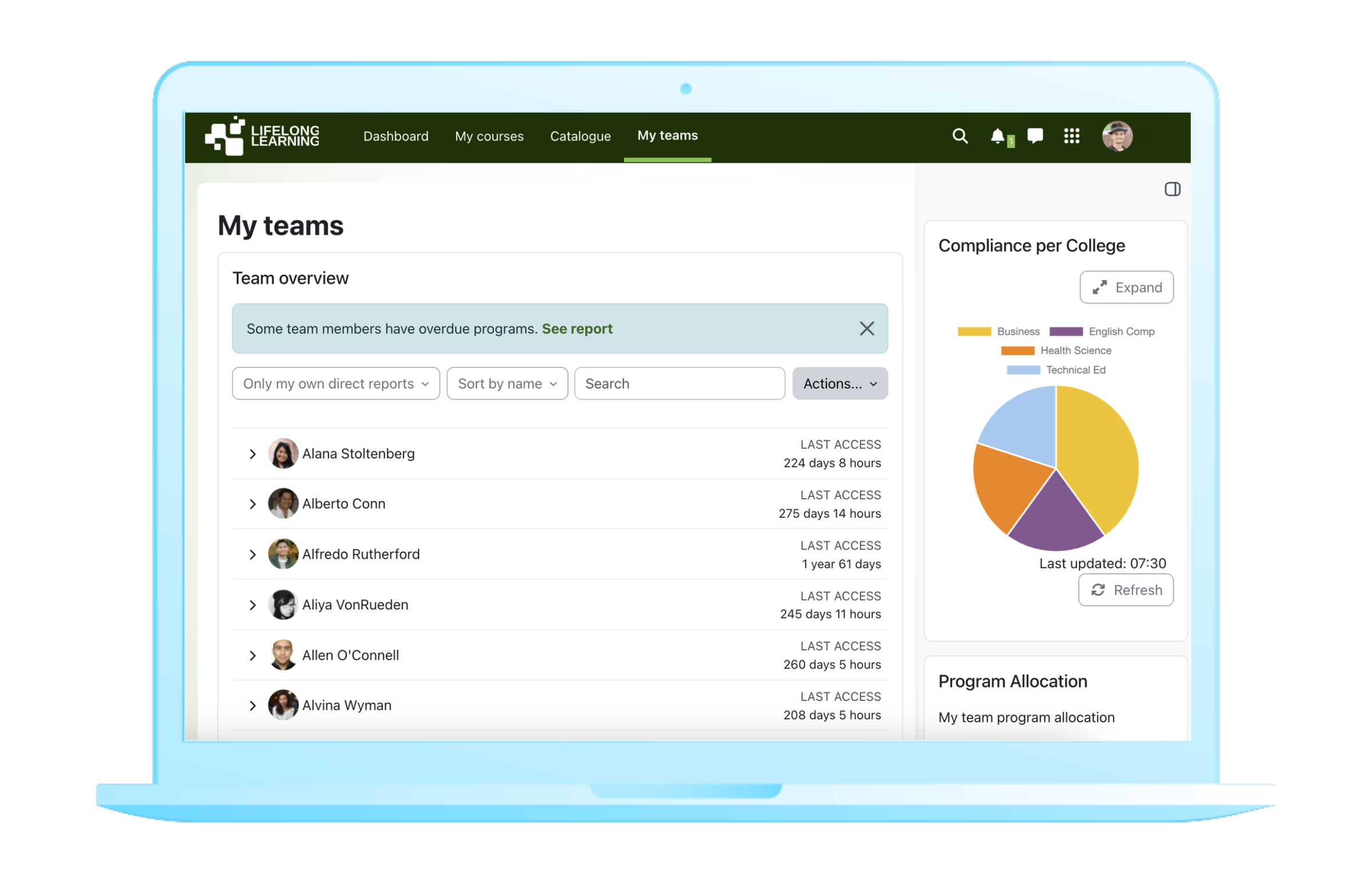
The result goes beyond greater efficiency. It gives learning teams more time to focus on designing meaningful learning experiences instead of managing processes.
Building on what’s already familiar
One of the biggest misconceptions I hear is that adopting Moodle Workplace means starting over.
For institutions already using Moodle LMS, that’s not the case.
Moodle Workplace is built on the same foundation as Moodle LMS, so faculty continue teaching in an environment they already know, students continue learning in a familiar platform, and the expertise your teams have built over years doesn’t disappear.
Instead, Moodle Workplace extends what’s already there with capabilities designed for learning at an institutional scale’ including automation, advanced reporting, multi-tenancy, structured programmes, certifications, and enterprise administration.
For many universities, that’s one of the biggest advantages of moving to Moodle Workplace. Growth doesn’t have to come at the expense of familiarity.
Bringing your learning history with you
Of course, not every institution starts from a Moodle platform.
If you’re moving from another LMS, one of the first questions is usually about continuity. Years of learner records, completion data, and reporting often underpin accreditation, compliance, and institutional decision-making. Nobody wants to lose that history.
Moodle Workplace is designed with that reality in mind. Historical learning data can be imported, helping institutions preserve important records while building a platform that’s ready for the future.
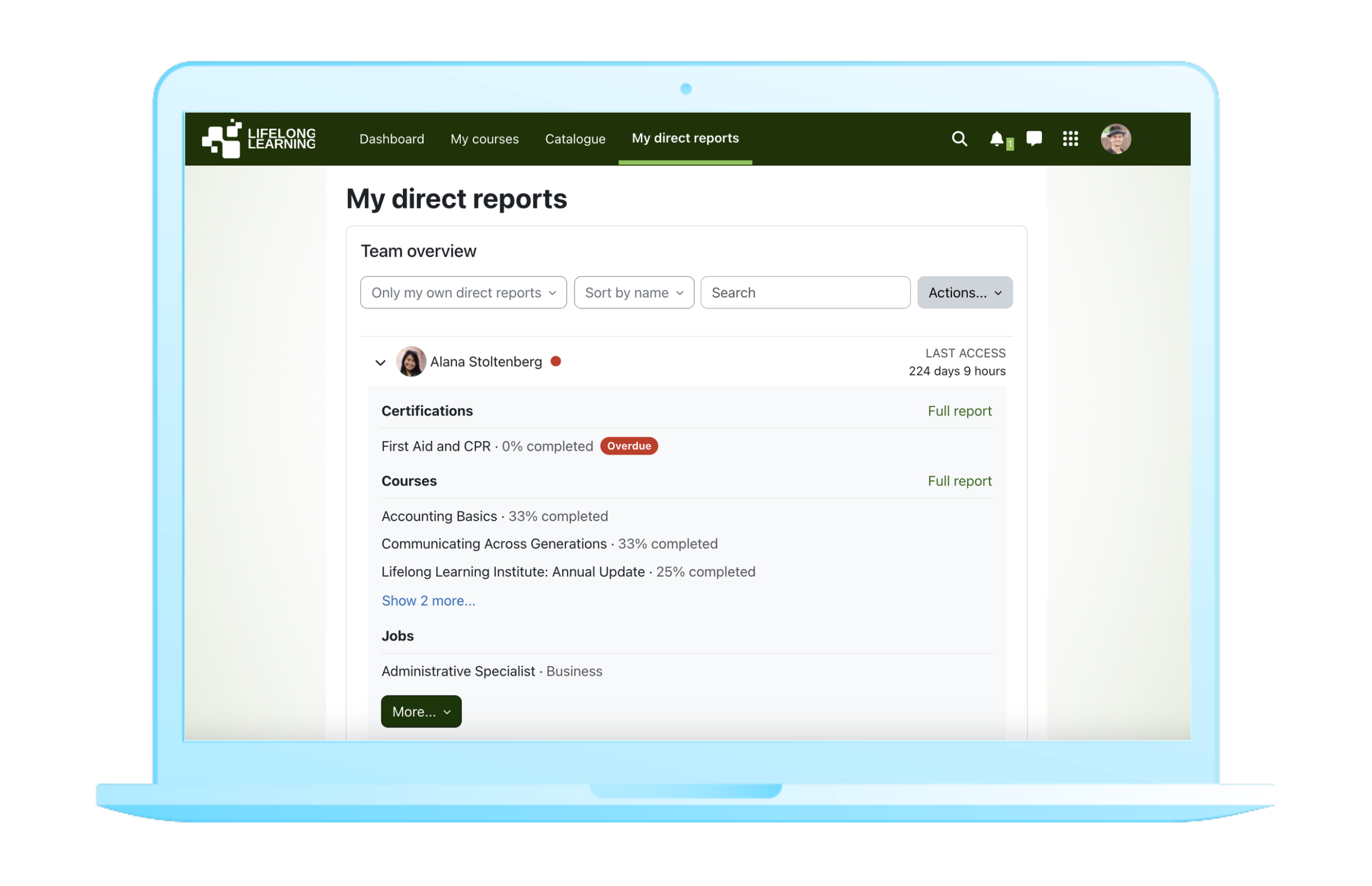
Whether you’re extending an existing Moodle site or migrating from another LMS, the goal isn’t to erase what’s come before. It’s to create a learning ecosystem that can continue evolving without losing the knowledge and history your institution has already built.
Planning for what comes next
One of the things I love most about higher education is that it’s always looking ahead. New ideas, new programmes, new research, new communities, and new ways of helping people learn are constantly emerging.
Learning platforms should be able to grow in the same way.
I don’t think every institution needs Moodle Workplace today. Many universities are doing incredible things with Moodle LMS, and for them it continues to be exactly the right solution. But I’ve also seen the point at which institutions begin asking different questions about how they support staff, professional learners, external partners, and multiple learning environments. That’s when Moodle Workplace starts to make a lot of sense — not because the institution has changed course, but because it’s continued to evolve.
If this is something your institution is thinking about, our Design for change guide explores how adaptable learning ecosystems help organisations respond to change over time, without starting over.
After all, the goal isn’t to prepare for one big moment of change. It’s to build something that can keep evolving for all the changes you haven’t seen yet.