Not all students experience digital learning in the same way. Discover what may be shaping the difference, and how thoughtful course design can support every learner.
It’s coming up to the start of a new semester. Your course shell is ready, and you’ve uploaded all your learning materials and resources. Very soon, brand-new students will log in, each with different expectations, tech access and levels of confidence with digital learning.
You want every student to feel supported and able to succeed. But between teaching, marking, meetings, and everything else on your plate, knowing where to begin with inclusive course design can feel overwhelming. It’s a moment many experienced educators know well, including our Head of Solutions Marketing, Lauren Goodman.
“Most instructors care deeply about their learners and want their courses to work for everyone,” says Lauren. “The challenge is that students don’t all arrive with the same access, skills, or support — and those differences can profoundly shape their experiences from day one.”
Designing equitably means designing for the learners you have — in all their variety — rather than an imagined ideal. This is what we call the hidden learning gap: the differences in learners’ circumstances that can shape how they engage with content, participate in activities, and demonstrate what they know.
The reality behind today’s digital classrooms
While launching a brand new term and supporting a group of new and diverse learners, educators see first-hand how small gaps in access and digital confidence influence outcomes. Lauren remembers this reality from her work as a learning designer with Moodle Services, as well as her previous roles partnering with faculty on course design.
“It’s tempting to assume learners start from the same general place,” she says, “but in reality, every person has a different level of access.”
Two students, both of whom appear to be online, may be operating in very different realities. One might be working on a new laptop with fast Wi-Fi and years of experience navigating learning platforms. The other might use a shared device, have inconsistent connectivity, or be less familiar with online learning.
Without thoughtful design, these differences can make learning harder than it needs to be.
“A useful way to approach course design is to think about learners working within real-world constraints — patchy internet, older devices, or working in shared spaces (like a public library or dormitory lounge),” Lauren explains. “When you design with those realities in mind, the learning experience works better for everyone.”
The good news? You don’t need to redesign your entire course to make a meaningful impact.
Start with small, intentional choices
Inclusive, human-centred learning begins with simple decisions — for instance, structuring content clearly so students know what to do next. Educators might also decide to provide materials in more than one format. Clear instructions and predictable navigation help improve the online learning environment, too. Meanwhile, designing activities that don’t rely on perfect connectivity can ensure learners with limited access don’t get left out.
Individually, these changes can support learners who may be facing challenges. Together, they create courses that are clearer, easier to move through, and more supportive for everyone. In other words, everybody wins.
“Let’s take accessibility as an example,” says Lauren. “Accessible learning works best when it’s part of the design process from the beginning. Add headings as you create pages. Include alt text when you upload images. Check colour contrast as you go. Educate yourself about web accessibility basics and apply this to every course-building decision.”
This isn’t just for learning designers. Anyone building a course can make accessibility a habit. When you build this way from the start, you spend less time retrofitting fixes later — and every learner benefits from a clearer, more supportive experience.
Turning awareness into practical action
Accessibility is one place to begin. But it’s part of something bigger: designing courses that reflect the realities learners bring with them. At first glance, students who can log in may appear ready to learn — but that isn’t always the case. Creating a more equitable learning environment means looking beyond access and considering whether every learner can participate once they’re there.
Getting online is only the first step,” says Lauren. “What really matters is whether learners can confidently navigate the course, understand what’s expected of them, and stay engaged once they arrive. As educators, we need to be ready for every learner who shows up.”
If you’re wondering where (or how) to begin creating a more inclusive learning environment, good news: you don’t have to figure it all out on your own. In fact, we’ve put together a resource designed to help you get started.
Drawing from years of experience supporting faculty and learners online, Bridging the hidden learning gap brings these ideas together in one practical resource — with realistic strategies you can apply right away. You’ll find practical ideas, expert guidance, and realistic approaches you can use to create courses that support a wider range of learners.
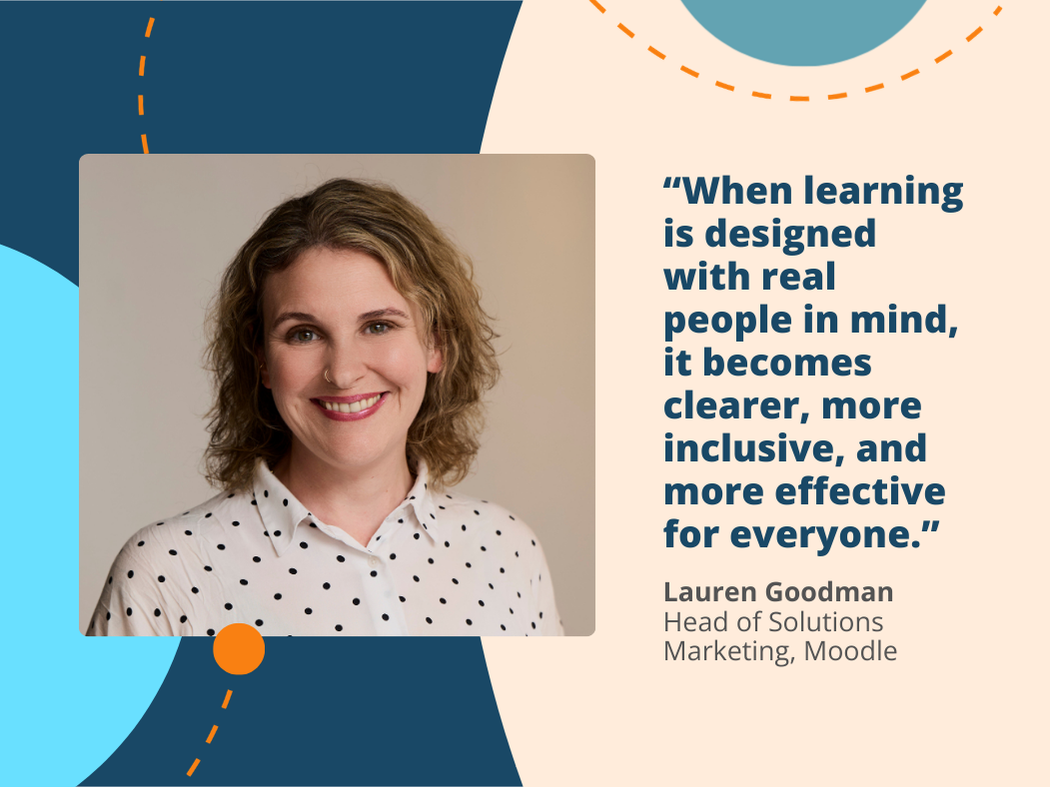
Rather than aiming for perfection, our goal is to help you design for the learners you actually have. As Lauren puts it, “When learning is designed with real people in mind, it becomes clearer, more inclusive, and more effective for everyone.”
Ready to make learning better? Download Bridging the hidden learning gap now and begin building learning environments where every student can succeed.