
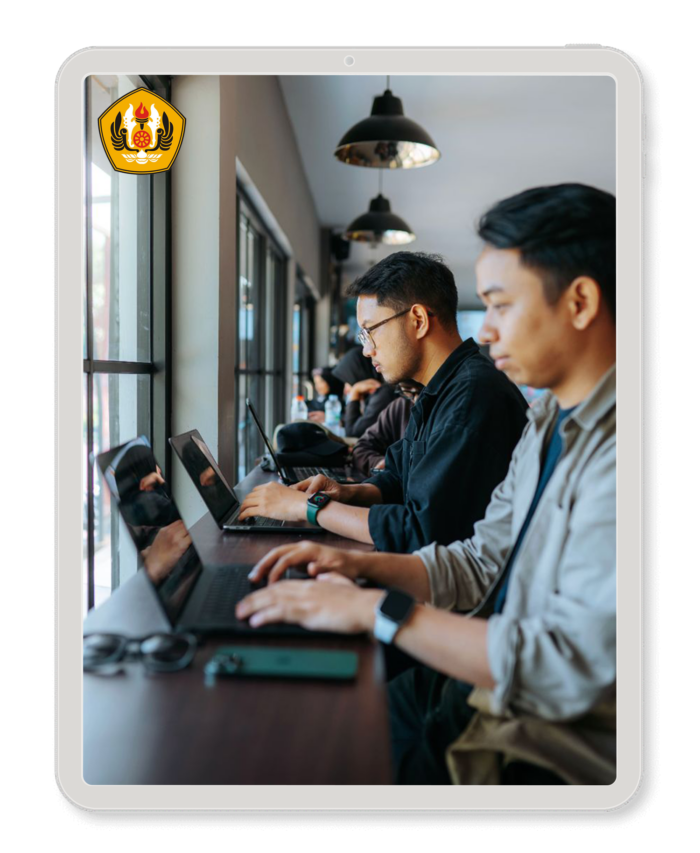
Universitas Padjadjaran has a clear sense of what it is for. Serving over 38,000 students across Indonesia, Universitas Padjadjaran’s mission is to drive positive change in society through education that is excellent, innovative and inclusive. That means meeting students where they are, removing barriers to access and building a platform for learning that can grow alongside the university’s ambitions.
Finding the right fit
Universitas Padjadjaran’s journey to find the right LMS has been nearly two decades in the making. The university moved through several systems over the years, each bringing its own challenges around cost, performance, and compatibility. As digital learning became increasingly central to how the university operated, it became clear that what was needed was a solution that could genuinely grow alongside its ambitions.
For the university, the goal has always been the same: to give students and lecturers access to a learning experience that is dependable, inclusive, and built to support innovation for the long term. Moodle LMS stood out for its compatibility and flexibility, and with many universities across Indonesia and beyond already using it successfully, the decision felt like a natural fit.
Building LiVE
Working with our Moodle Certified Partner in Indonesia, PCMan, Universitas Padjadjaran rebuilt its LMS — rebranded as LiVE — on a foundation designed to last. The priority was straightforward: a platform that was fast, flexible, and genuinely easy to use for the lecturers and students depending on it every day.
The difference has been felt across the board. Performance is faster, file uploads are smoother, and the interface can now be customised to fit Universitas Padjadjaran’s specific needs. Safe Exam Browser integration has improved, and with 562 active courses now running across all academic levels, the platform is embedded in how the university delivers education — so much so that LMS usage is now built into Faculty KPIs.
The university also gained access to specialist long-term support through PCMan, freeing up internal teams to focus on delivering quality education rather than managing technical challenges.
What comes next
The bigger ambition is distance learning. Students come from diverse regions and backgrounds across Indonesia, and not all have the ability to relocate or attend classes on campus full-time. Geography, work commitments, family responsibilities — these are the barriers that flexible learning can help remove. By strengthening its digital learning ecosystem, Universitas Padjadjaran is working to ensure that where a student lives, or the circumstances they face, don’t determine what they can achieve.
LiVE is being built to support that vision, with AI-powered features including automated grading and assessment for essays, assignments, and project-based submissions already in development.
Further down the road, the university plans to integrate competency evaluation directly into courses, connect assessments with its academic management system SIAK, and introduce e-portfolio generation — allowing students to document and demonstrate their learning achievements, including from extracurricular courses.
The platform that once struggled to stay online is now the foundation for something far more ambitious: education that reaches further, adapts faster, and puts more students in control of their own learning.